Engineering Product Design
How we work

Clear phases.Fewer surprises.Hardware that ships.

We treat requirements like a contract with physics: write them down, test what matters, and involve manufacturing early so final production does not unravel the first ninety percent.

Four-phase program

PHASE 01

Ideation and feasibility

We start from your initial requirements and our early assessment, then turn that input into concrete technical targets, delivery constraints, and practical architecture options before detailed engineering begins.

Output: Initial conceptual design and feasibility assessment

Blueprints and engineering schematics on a drafting table
PHASE 02

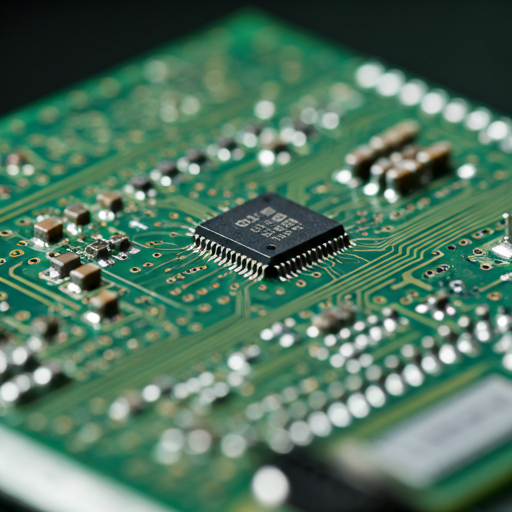
Electronics design

Layer stack, placement, and routing with signal integrity and thermals in mind. When the environment is nasty, we design for vibration, limits on parts, and what happens when a shield is missing.

Output: Gerber files and BOM
Macro shot of a complex green printed circuit board
PHASE 03

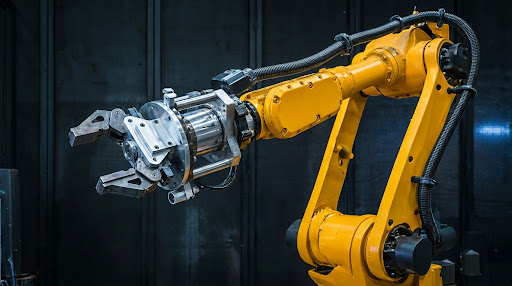
Mechanical engineering

Enclosures, seals, heat paths, and how the PCB lives inside the product. CAD and FEA back up the decisions, with considerations based on the intended use and requirements, and for real operating conditions.

Output: CAD models and FEA data
High-precision mechanical assembly and industrial robotic hardware
PHASE 04 (OPTIONAL)

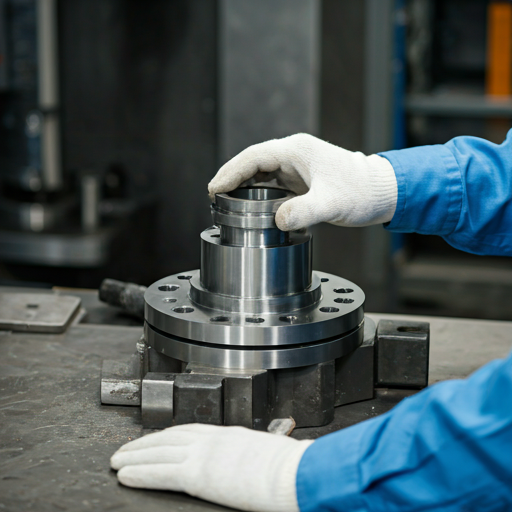
Validation and iteration

Prototype builds, DFM tweaks, fixture plans, and test evidence, followed by optional iteration as needed. We refine until the design is ready for final release and the factory can repeat results without loosening tolerances.

Output: Working demonstrator and production drawings
Quality control inspection of a machined part

Design philosophy

Specs you can build

If it is not written, it will drift. We pin down interfaces, environmental limits, and acceptance tests while the design is still cheap to change. Then we build drawings that tooling and vendors can follow.

Designed for failure modes

Stuff breaks. We plan for the boring failures: bad batches, loose connectors, heat soak, ESD, rough handling. Redundancy is for the real world, not as optional.